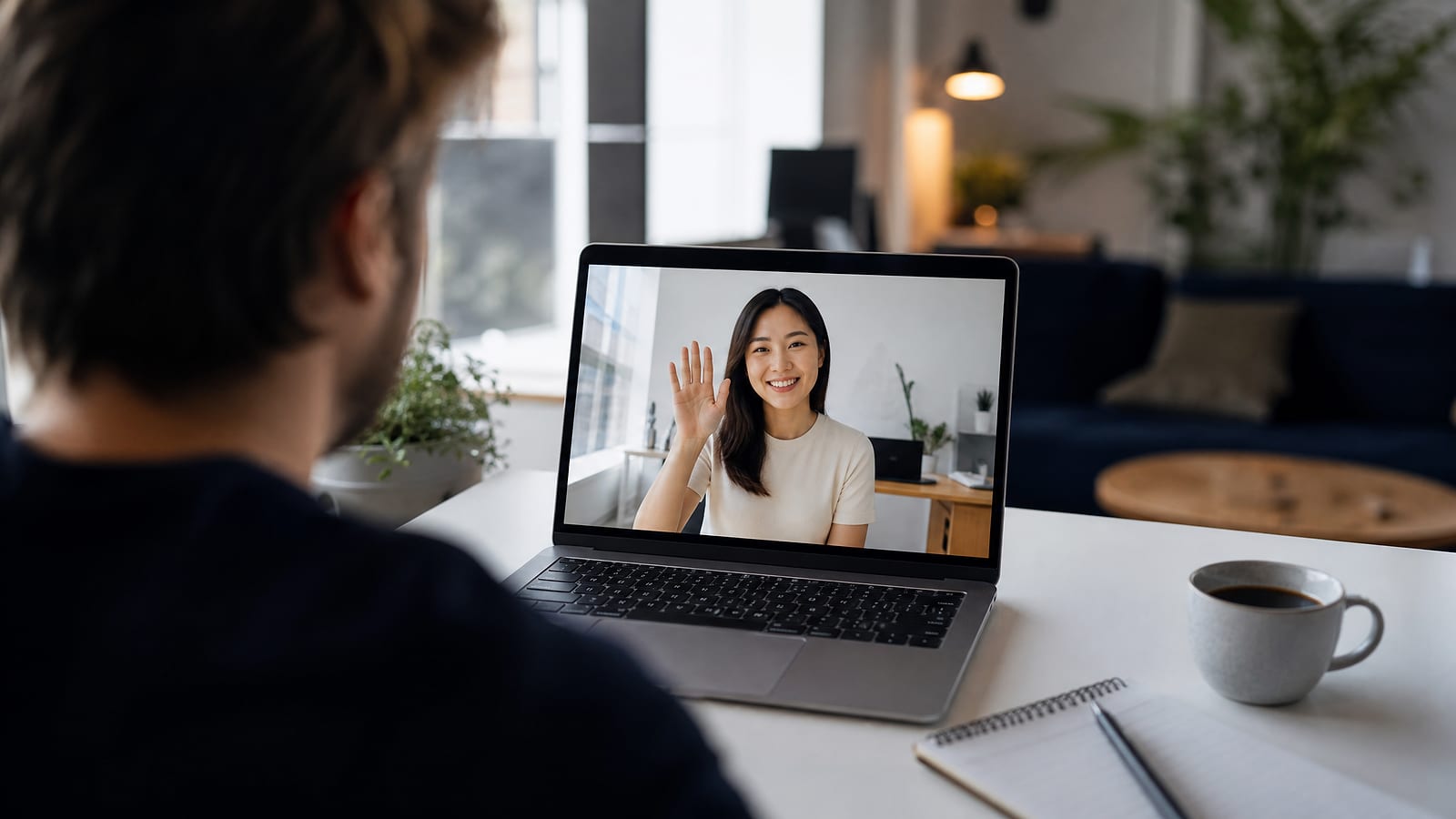
Most of our interviews take place over video, and our Talent team has noticed a clear pattern: the candidates who do best aren't always the most experienced. They're the ones who prepared for the format, not just the questions.
Here is the advice we actually give candidates. It's practical, specific and focused on what makes a real difference on the day.
Before the interview: prepare for a conversation
Generic preparation produces generic answers. Focus on three things instead.
- Read the vacancy line by line. Highlight the key responsibilities and requirements, and match each one to a real example from your experience. If there's a gap, be ready to explain how you would close it.
- Prepare four or five stories. Choose situations that show ownership, collaboration, a mistake you learned from and a result you're proud of. Structure each one simply: the context, what you did and what happened, ideally with a concrete detail or number.
- Understand the business. Read the company's website and recent articles so you know what it does, who its customers are and what challenges it might face. You'll ask sharper questions and connect your answers to real problems.
Set up like a professional
Technical problems eat into the time you have to make your case. A ten-minute check the day before is always worth it.
- Test the link and the tool. Open the meeting link in advance, install anything you need and make sure your browser can use your camera and microphone.
- Use a headset or earphones. They reduce echo and background noise far better than laptop speakers.
- Mind the light. Face a window or lamp rather than sitting with it behind you, and raise your camera to eye level.
- Have a plan B. Keep your phone charged and your recruiter's email address handy in case you need to switch devices or let someone know you're having trouble.
- Close everything else. Notifications and open tabs distract you and, if you share your screen, everyone else too.
During the interview: make your thinking visible
On video, it's harder to read the room, so clarity matters even more than in person.
Lead with the answer. Start with a one-sentence summary, then add detail. If the interviewer wants more, they'll ask.
Think out loud in technical and case interviews. Silence feels longer on video than it really is. Talk through your assumptions, the options you're considering and why you're choosing one. We assess the reasoning as much as the result.
Pause or ask for clarification when you need to. "Can I take a moment to think about that?" is a perfectly good answer. So is asking what the interviewer means by an ambiguous question.
Keep notes nearby, but don't read from them. A few keywords for each story are enough. Reading full answers sounds unnatural and breaks eye contact.
The best interviews feel like two colleagues working on a problem together. That's the atmosphere we try to create.
If something goes wrong
Connections drop, dogs bark and doorbells ring. Interviewers know this, and it won't count against you. If your connection fails, rejoin the call or email your recruiter straight away. If you lose your train of thought, say so, take a breath and start your answer again. Handling a hiccup calmly can leave a better impression than a flawless answer.
Ask questions that help you decide
The questions you ask show how you think, and they help you decide whether the role is right for you. A few that tend to lead to useful answers:
- What would a great first six months look like in this role?
- How does the team decide what to work on next?
- How do people collaborate across time zones?
- What is the biggest challenge the team is working on right now?
After the interview: follow up well
A short thank-you note isn't required, but it's a nice touch, especially if you add a thought you didn't get to share. More importantly, write down what you learned while it's fresh: the questions you were asked, what went well and what you would do differently next time.
If you haven't heard back by the date your recruiter mentioned, a polite check-in is completely fine.
One last thing
An interview is a two-way conversation. You're assessing us just as much as we're assessing you, so prepare well, be yourself and ask what you really want to know.
Ready to put these tips into practice? Browse our open vacancies, or see how our hiring process works step by step.